

How to Choose High-Quality Aluminum Profiles
Nov 14,2011
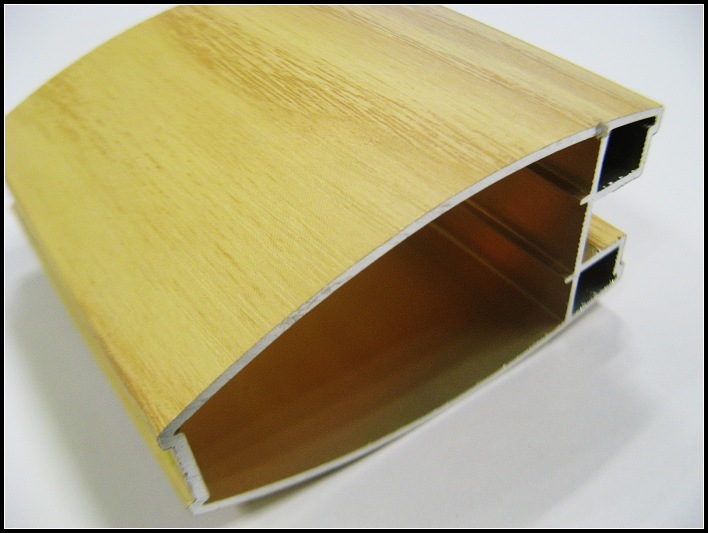
Common parameters used to assess the quality of aluminum profiles include the following:
1. **Hardness**: Many customers pay close attention to hardness when purchasing aluminum materials, as it is directly influenced by the alloy’s chemical composition. Additionally, different temper conditions significantly affect hardness levels. In terms of maximum hardness achievable, 7-series, 2-series, 6-series, 5-series, 3-series, and 1-series alloys rank in descending order.
2. **Strength**: Strength is a critical factor that must be considered during product design, especially when aluminum alloy components are used as structural elements. The appropriate alloy should be selected based on the pressure or load the component will bear. Pure aluminum has the lowest strength, while 2-series and 7-series heat-treated alloys offer the highest strength. Notably, there is a positive correlation between strength and hardness.
3. **Corrosion Resistance**: Corrosion resistance encompasses properties such as resistance to chemical corrosion, electrochemical corrosion, and stress corrosion cracking. Generally speaking, 1-series pure aluminum exhibits the best corrosion resistance, followed by 5-series alloys. Alloys from the 3- and 6-series categories perform well too, whereas 2- and 7-series alloys show relatively poorer performance. The choice of alloy should align with the specific environmental conditions where it will be used. For high-strength alloys operating in corrosive environments, it’s essential to employ various corrosion-resistant composite materials.
4. **Formability and Machinability**: Formability refers to how easily an aluminum alloy can be shaped into desired forms, while machinability pertains to its ease of cutting or machining. Formability is closely tied to the alloy’s temper condition; after selecting the appropriate aluminum grade, designers must also evaluate the strength range associated with each temper. Typically, materials with higher strength are more challenging to form. For processes like bending, stretching, or deep drawing, fully annealed aluminum offers the best formability, whereas heat-treated alloys tend to have the poorest formability. Moreover, the machinability of aluminum alloys is heavily influenced by their chemical composition—generally, higher-strength alloys are easier to machine, while lower-strength ones present greater challenges. This makes machinability a key consideration for products like molds and mechanical components that require precision cutting.
5. **Weldability**: Most aluminum alloys weld without issues, particularly certain 5-series alloys designed specifically for welding applications. In contrast, some 2-series and 7-series alloys are more difficult to weld effectively.
6. **Decorative Properties**: When aluminum is used for decorative purposes or in specialized applications, its surface often undergoes treatments such as anodizing or coating to achieve desired colors and surface textures. In these cases, decorative performance becomes a top priority. Materials with superior corrosion resistance typically exhibit excellent anodizing, surface treatment, and coating capabilities.
7. **Other Characteristics**: Beyond the above-mentioned properties, factors like electrical conductivity, wear resistance, and thermal stability also warrant consideration during material selection.
**Characteristics of Substandard Aluminum Profiles**:
Substandard aluminum profiles can lead to significant issues during use, as they may deform under environmental factors such as sunlight, air, and rain, potentially causing glass breakage or detachment. Poor-quality aluminum profiles typically exhibit four key characteristics:
1. **Thin Oxide Film Thickness**: According to national standards, the oxide film thickness for architectural aluminum profiles should be at least 10 µm. Profiles with insufficient oxide film thickness are prone to rusting and corrosion. During inspections, many unbranded aluminum profiles lacking manufacturer details, production licenses, or certificates were found to have oxide films as thin as 2–4 µm—or even completely absent. Experts estimate that reducing the oxide film thickness by just 1 µm can save over 150 yuan per ton of material in energy costs.
2. **Non-Conforming Chemical Composition**: Incorporating large amounts of scrap or recycled aluminum significantly reduces production costs but can result in substandard chemical compositions for architectural aluminum profiles, posing serious risks to construction safety.
3. **Reduced Profile Wall Thickness**: For example, 90-series sliding window profiles should meet a minimum wall thickness requirement of 1.4 mm according to national standards. However, some Guangdong-produced profiles fall far short, measuring only 0.6–0.7 mm. Similarly, for 46-series floor-to-ceiling doors, the standard mandates a minimum wall thickness of 1.62 mm, yet some Guangdong-made products inspected were found to have walls as thin as 0.97–1.18 mm.
4. **Shortened Service Life Due to Reduced Sealing Time**: While lowering sealing time and minimizing chemical reagent usage may reduce costs, this approach severely compromises the corrosion resistance of the profiles, significantly shortening their lifespan and durability.
Official WeChat

Yongxing Aluminum Profile
Address: Chengxi Industrial Park, Fengrun District, Tangshan City, Hebei Province
Phone: +86-18833335099/18131589898
WhatsApp:+8618232503387
E-mail: tsyxlxc@tsyxlxc.com


Powered by: 300.cn | Privacy policy | SEO